When a memoir is the right kind of help
There are moments when a checklist can feel too small. You may know that you need to sleep, eat, talk, and keep some kind of routine, yet still feel that none of those things explains what you are carrying. A memoir offers a different kind of company. It does not ask you to match someone else's timeline. It lets you sit with a story long enough to recognize your own questions inside it.
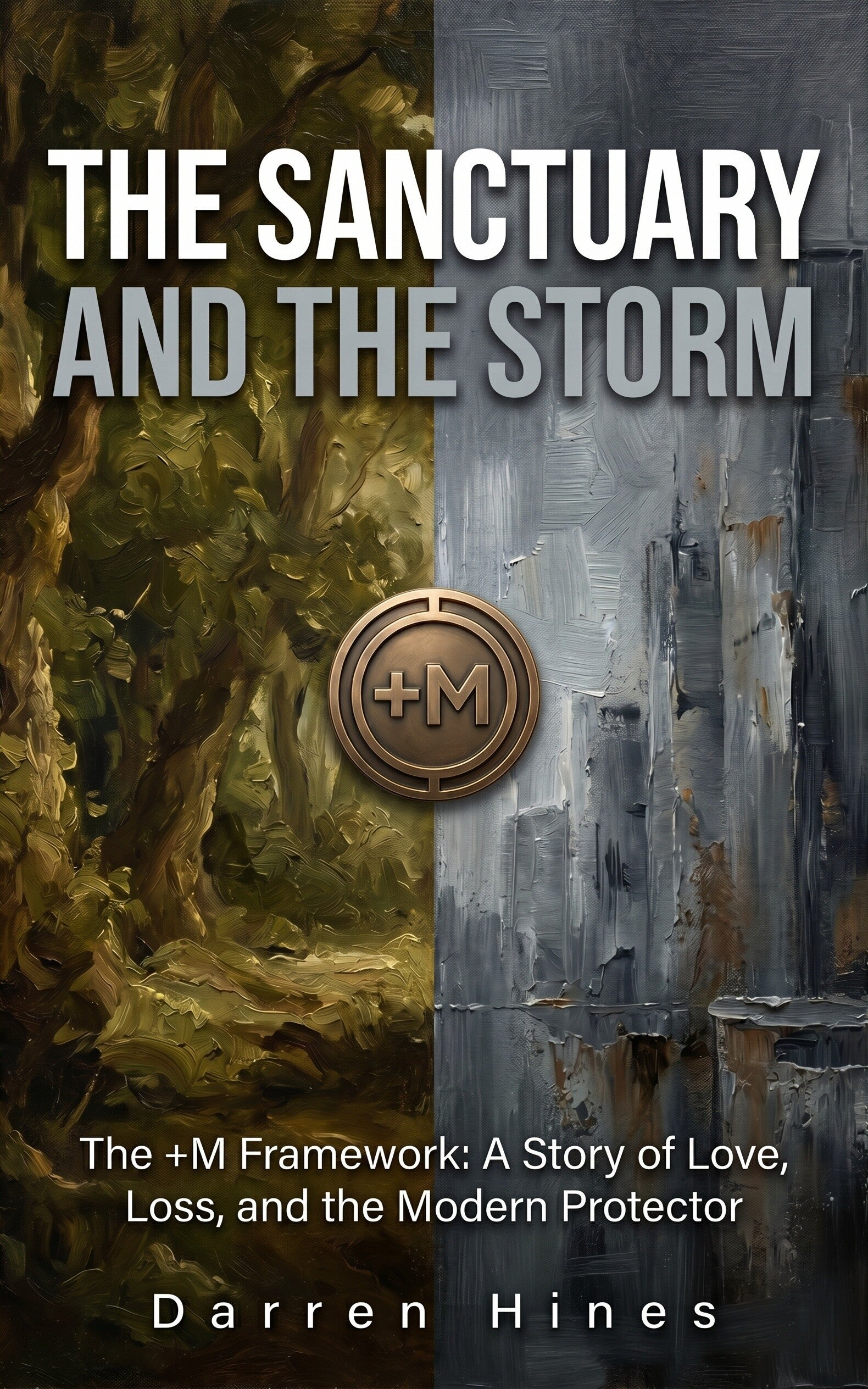
Darren Hines writes from a life shaped by service and devastating loss. In The Sanctuary and the Storm, the question is not how to appear untouched. It is how a man can continue to love, serve, and take responsibility after life has become something he did not choose. That is a quieter and more useful question than whether he can simply push through.
The book will be most useful if you let it meet you where you are. Read a short section. Notice what feels familiar, what makes you resist, and what you are tempted to skip over. A story about loss can bring up memories or feelings you have kept busy enough to avoid. That does not mean you are doing the reading wrong. It may mean the page has reached something real.
Strength does not require pretending you are unaffected
Many men have learned to treat grief as a private problem. They keep going because people depend on them, then decide that their own pain should not take up space. Responsibility matters, but responsibility is not the same as silence. A man can carry his share without making himself unreachable to the people who love him.
Being steady may look less dramatic than people expect. It can be telling a trusted friend that this week is harder than usual. It can be admitting that a memory caught you off guard. It can be asking for a walk, a conversation, a quiet ride, or a little help with the task you are struggling to begin. It can also be taking a break before grief turns into anger aimed at someone who did not cause it.
None of that removes the loss. It keeps the loss from deciding every part of your life in private. The people closest to you do not need a perfect explanation. They need a truthful signal that you are still there with them. A memoir can remind you that presence is not made weaker by sorrow. Sometimes sorrow is the very thing that makes a person more aware of what deserves care.
Read in a way that leaves room for an honest response
There is no prize for reading quickly. Give the book a small place in the week when you are not already trying to outrun the day. That may be twenty minutes before work, a few pages after dinner, or a walk with the book nearby. Choose a rhythm that is modest enough to keep, especially when your energy is uneven.
Keep a notebook close, not to turn your reading into homework, but to give one honest thought somewhere to land. After a section, write a sentence beginning with: “What has changed in me is...” or “The person I need to stay connected to is...” Let the answer be plain. You may find yourself naming a person you miss, a conversation you have postponed, or a part of life that no longer feels familiar.
Then choose one response that belongs in the real world. Reach out to someone safe. Make room for a memory instead of fighting it all day. Keep a commitment you have been avoiding. Take care of your body in a simple way. If your grief feels too heavy to carry alone, speaking with a qualified counselor, a faith leader, or a trusted support person can be a practical next step. Asking for that support is an act of responsibility, not a failure of it.
Let the story lead back to connection
Loss can make a person narrow his world down to survival. That is understandable, but connection is often where life begins to widen again. You do not have to force yourself into a large group or explain every detail to everyone you know. Start with one person who has earned your honesty. Tell them what you can say today, even if it is only that you are still finding words.
The +M Daily Cornerstones can give you a shorter daily return to integrity, brotherhood, faith, discipline, and purpose. The Journal Prompts for Men offer private questions when you need help turning a vague weight into language. Neither replaces the book or the people around you. They are small ways to stay in contact with the work instead of leaving it buried under the next busy week.
When you are ready for a more practical framework, Strength Is a Bridge offers a field guide for self-awareness, brotherhood, routines, and purposeful action. The two books serve different moments. One makes room for the story you are carrying. The other helps you build a rhythm for the life you are still responsible for shaping.