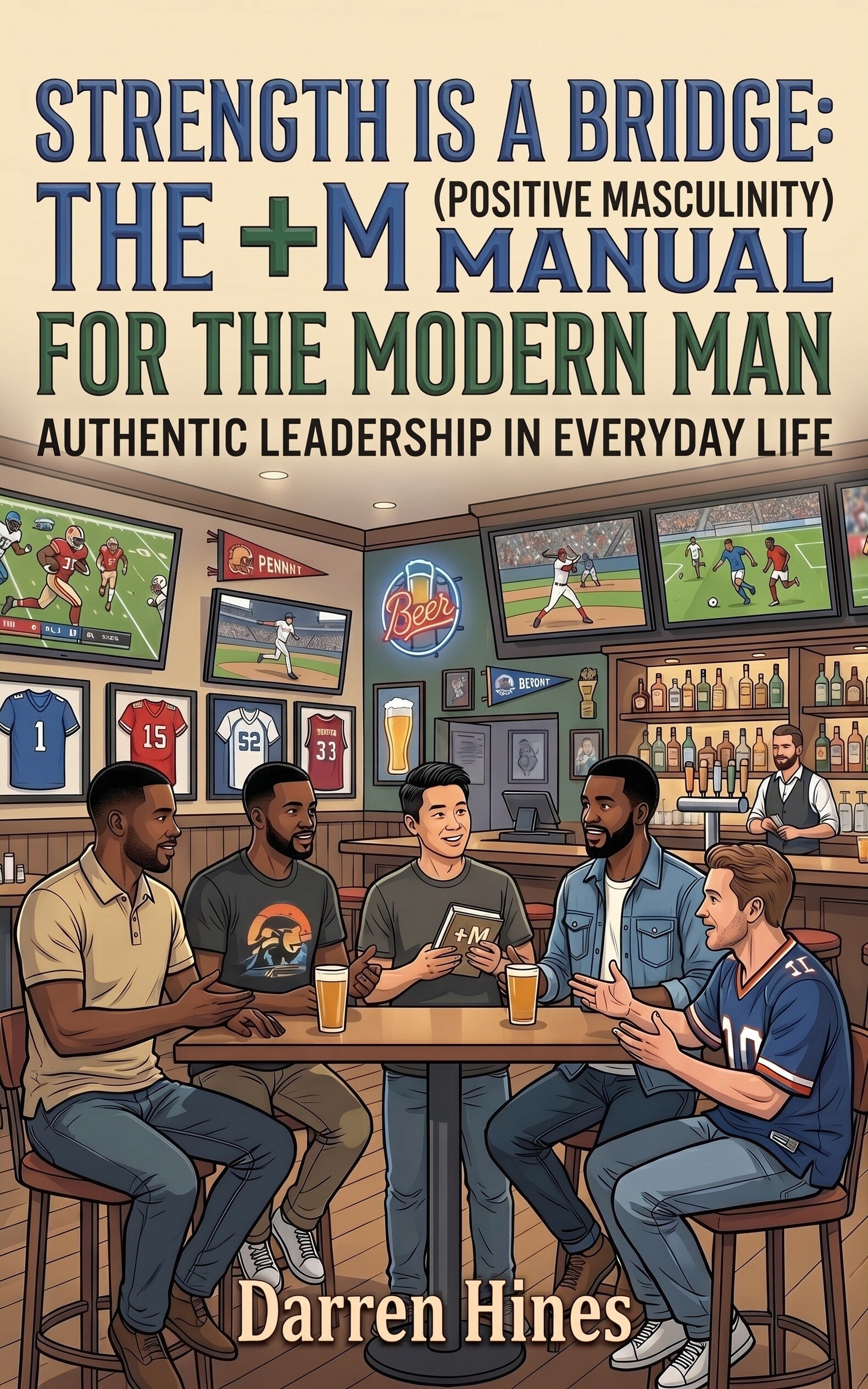
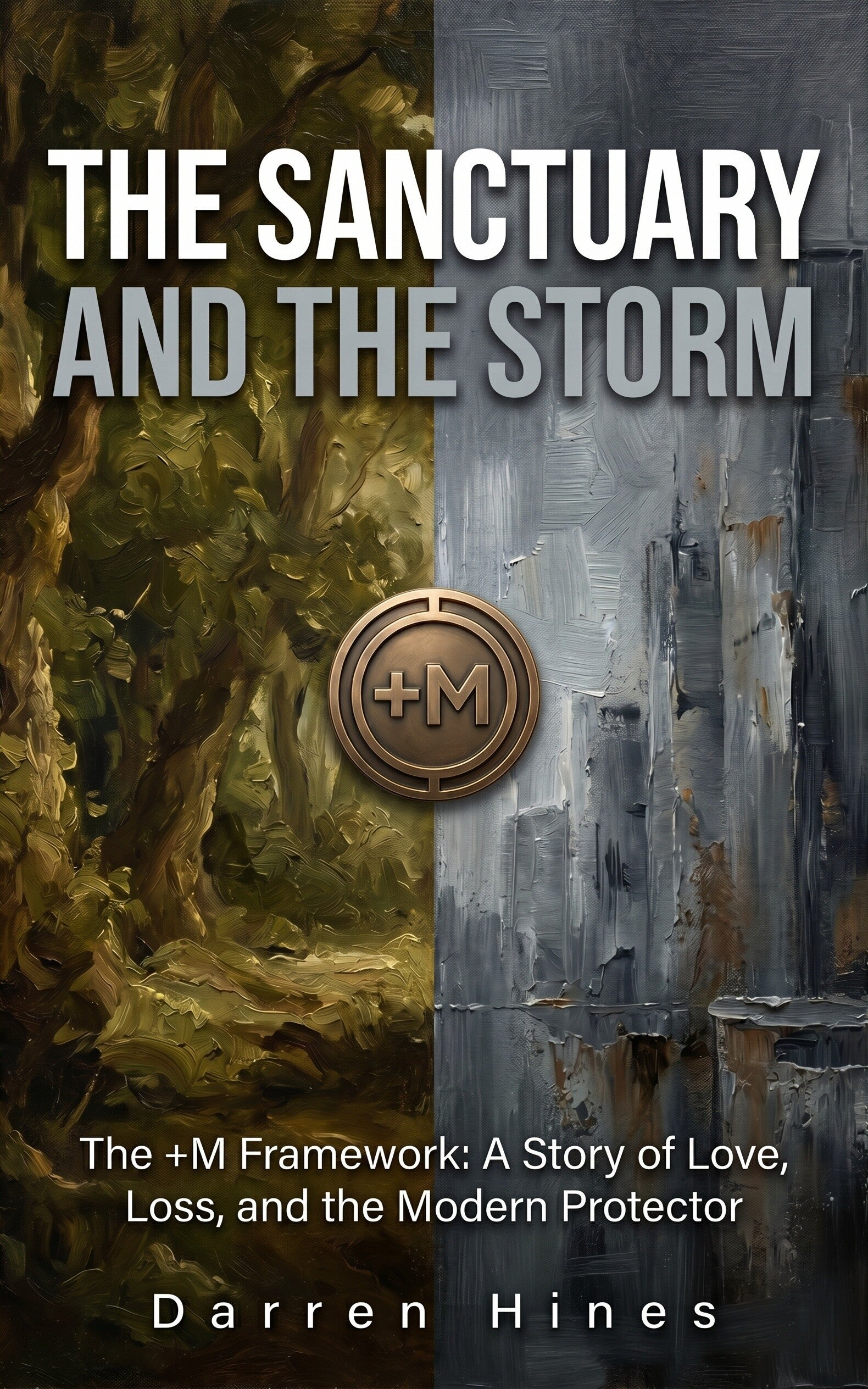
Masculinity that holds up in real life
Masculinity is easy to reduce to appearance. It can become a collection of signals: never hesitate, never ask for help, never let anyone see what hurts. Those signals may protect an image, but they do not necessarily protect a relationship, a family, a friendship, or a man's own peace of mind.
A more grounded approach is measured in what happens when no one is handing out credit. Do you own a mistake before it becomes someone else's burden? Can you name what you are feeling without making another person pay for it? Do the people closest to you know they can count on your word? Are you building friendships that make honesty possible instead of treating isolation as independence?
These are not abstract questions. They show up in the conversation you have after a hard day, the apology you make without explaining it away, the task you finish when it would be easier to disappear, and the friend you call before distance becomes a habit. Character is not loud. It is visible in the ordinary choices that create safety and trust around you.
That does not mean a man needs to have every answer. It means he is willing to face reality and respond with care. He can be firm without becoming closed off. He can be responsible without turning every relationship into a duty. He can seek support without surrendering responsibility for his own life. This kind of strength has room for conviction and compassion at the same time.
What you can take from these books
Strength Is a Bridge centers on the daily practices that turn values into a life others can feel. It gives attention to self-awareness, brotherhood, routines, and purposeful action. The question underneath the work is simple: what would change if you stopped managing an image and started building the kind of character that remains when the image has nothing left to offer?
The book is especially useful when you feel scattered between good intentions and repeatable action. You may know that something needs to change but struggle to name the next honest step. Begin small. Put one promise on the calendar. Reach out to one friend. Take ten quiet minutes to notice where you have been defensive, absent, or unwilling to ask for help. A practical guide has value when it gives you a way to return to the work tomorrow.
The Sanctuary and the Storm meets a different need. It is a memoir shaped by Darren Hines' journey from Princeville, North Carolina, to service aboard the USS Nimitz, then through devastating loss and a renewed commitment to service. It does not pretend that hardship is simple or that grief can be solved by acting unaffected. It asks what it takes to keep choosing love, duty, and presence when life has already changed.
That story can matter when you are carrying something you did not choose: a loss, a fractured relationship, a changed family role, or a responsibility that feels larger than the person you thought you were. Sometimes the right book is not the one with the fastest lesson. It is the one that helps you feel less alone while you decide how to move forward.
Make the reading useful
Do not rush through either book looking for a line to repeat. Read a section, then stop long enough to ask where it lands in your own life. What conversation are you avoiding? What commitment needs to become clearer? Where do you need to be more honest with yourself, or more available to someone else? A single specific answer is worth more than a shelf full of untouched advice.
Keep a notebook nearby. After each reading session, write one sentence beginning with: “The next honest step is...” Let the sentence be plain and measurable. It might be making a call, apologizing without defending yourself, setting aside time with your children, asking a friend to walk, or getting support for a problem that has been growing in private.
Then give that step a place in your week. Reflection becomes stronger when it has a date, a time, and a person who will notice whether you followed through. The goal is not to create a perfect routine. It is to make your values easier to recognize in the way you speak, work, love, and recover from mistakes.
For a shorter daily rhythm alongside the books, the Daily Cornerstones offer sixty reflections on integrity, brotherhood, faith, discipline, and purpose. You can also read How to Be a Better Man for practical ways to bring self-awareness, connection, and service into everyday life.